
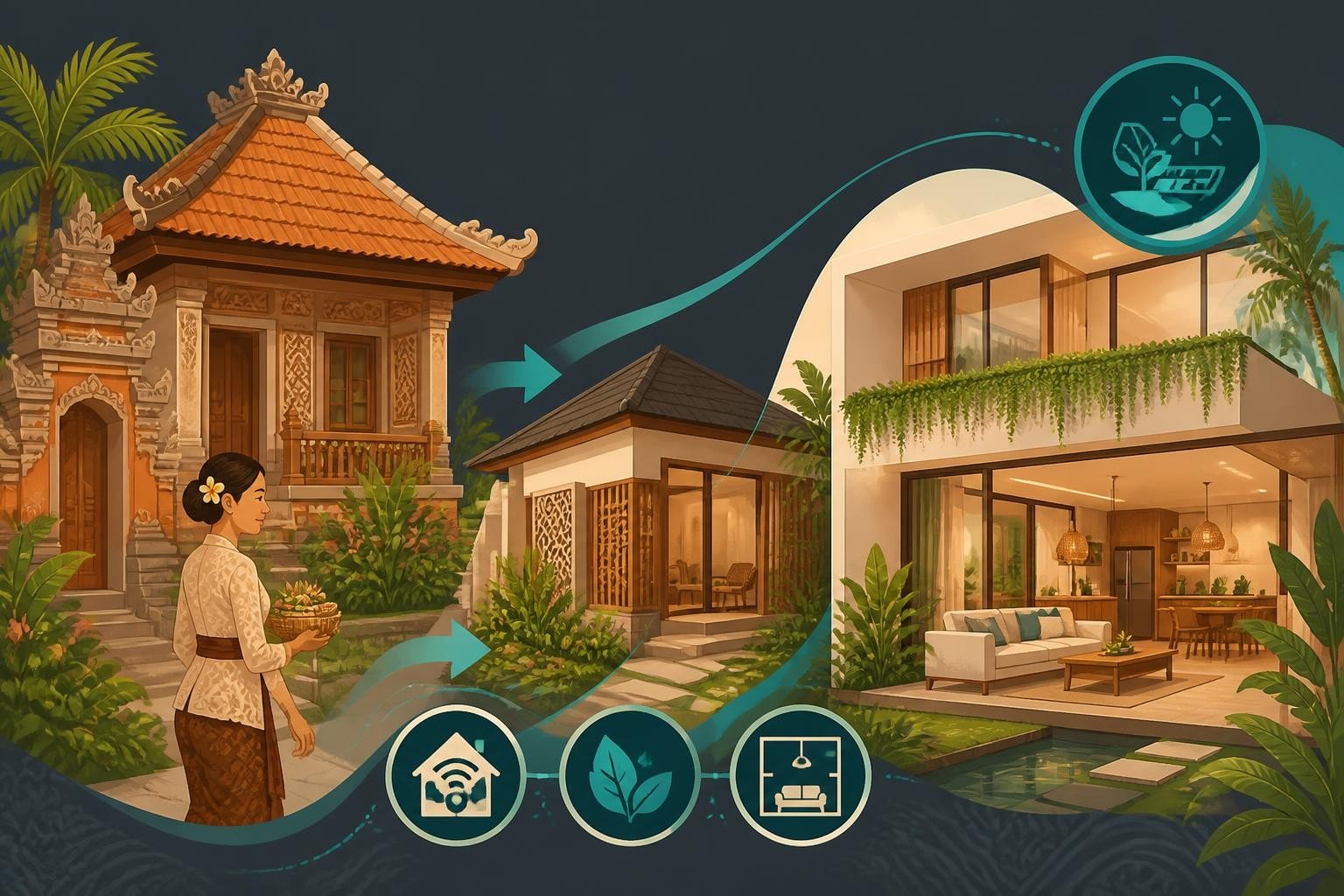
The rental market has evolved dramatically over the past decade, with modern homes to rent becoming the most sought-after properties across global markets. Today's renters prioritize contemporary design, energy efficiency, and smart home technology over traditional housing options. This shift reflects changing lifestyle preferences and a growing awareness of sustainability, comfort, and long-term value in residential choices.
The Premium Value of Modern Rental Properties
Modern homes to rent consistently command higher rates than their older counterparts, and the data supports this trend emphatically. Recent research shows that new-build homes command up to 18% higher rents than older properties in competitive markets. This premium reflects the tangible benefits these properties offer to discerning tenants.
Key value drivers include:
- Energy-efficient construction that reduces utility costs by 25-40%
- Contemporary layouts designed for modern living patterns
- Integrated smart home systems for security and convenience
- Low-maintenance materials and appliances
- Superior insulation and climate control systems
The premium pricing structure also reflects reduced maintenance costs for property owners. Modern construction standards ensure fewer repair issues, updated electrical and plumbing systems, and materials designed for longevity. Tenants recognize these advantages translate into fewer disruptions and lower overall living expenses.
Understanding Tenant Preferences in 2026
Today's renters approach housing decisions with different priorities than previous generations. Work-from-home arrangements have made home office spaces essential rather than optional. Natural lighting, outdoor access, and dedicated workspaces now rank among top requirements for professional tenants.
Sustainability features have moved from nice-to-have to essential. Solar panels, rainwater collection systems, and energy-efficient appliances appeal to environmentally conscious renters willing to pay premium rates for reduced carbon footprints. In tropical destinations like Bali, these features provide practical benefits alongside environmental advantages.
Market Trends Shaping Modern Rentals
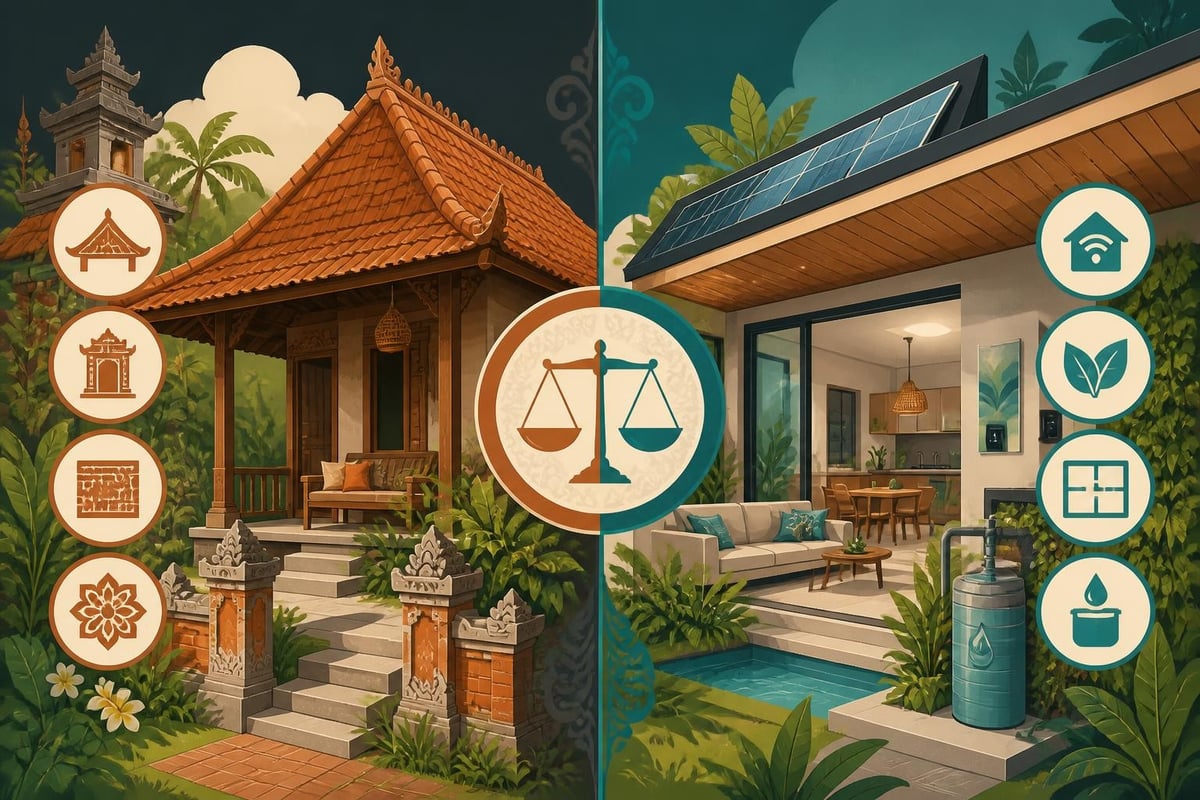
The rental landscape has experienced significant shifts throughout 2025 and into 2026. National rental markets have shown a 1.6% year-over-year decline, marking the first sustained slowdown since the post-pandemic boom. However, this cooling applies primarily to older housing stock rather than modern properties.
Contemporary homes maintain stronger occupancy rates and rent growth even in softening markets. The quality gap between modern and traditional properties has widened sufficiently that many renters treat them as distinct market segments entirely.
Single-Family Versus Multifamily Dynamics
An interesting divergence has emerged between property types. Single-family home rents have reached record highs, now costing 20% more than typical multifamily apartments, indicating strong preference for private outdoor space and separation from neighbors.
Modern homes to rent in the single-family category particularly benefit from this trend. They combine the privacy and space advantages of detached housing with contemporary amenities that apartment dwellers increasingly demand.
| Property Type | Average Monthly Rent | YoY Change | Vacancy Rate |
|---|---|---|---|
| Modern Single-Family | $2,850 | +3.2% | 4.1% |
| Traditional Single-Family | $2,415 | -1.8% | 6.7% |
| Modern Multifamily | $2,100 | +1.5% | 5.2% |
| Traditional Multifamily | $1,890 | -2.1% | 7.8% |
The data reveals that modern properties across both categories maintain lower vacancy rates and positive rent growth, demonstrating sustained demand despite broader market softening.
Essential Features of Modern Rental Homes
Contemporary rental properties distinguish themselves through specific design elements and technological integrations that traditional homes cannot easily replicate. Understanding these features helps both property seekers and investors identify true modern homes to rent.
Architectural and Design Elements
Open-concept living spaces remain the cornerstone of modern residential design. These layouts eliminate unnecessary walls, creating flexible spaces that adapt to various lifestyle needs. The integration of kitchen, dining, and living areas facilitates both daily life and entertainment.
Floor-to-ceiling windows maximize natural light while blurring boundaries between indoor and outdoor spaces. This design philosophy proves particularly valuable in destinations with favorable climates, where outdoor living extends usable square footage significantly.
- Minimalist aesthetic with clean lines and uncluttered spaces
- High-quality, low-maintenance materials throughout
- Neutral color palettes that accommodate personal style
- Built-in storage solutions maximizing functionality
- Indoor-outdoor flow through strategic door and window placement
Technology Integration
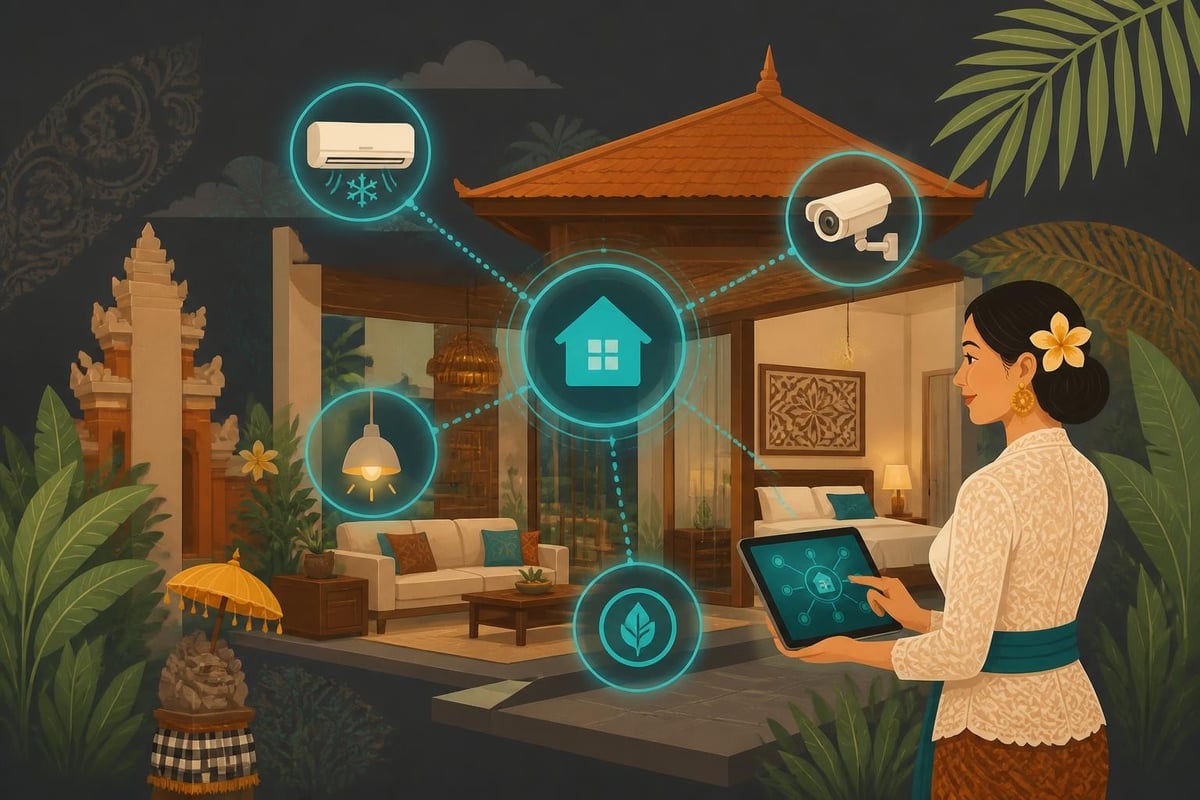
Smart home systems have transitioned from luxury features to standard expectations in modern homes to rent. Integrated platforms control lighting, climate, security, and entertainment through centralized applications, providing convenience and energy management.
Security systems now incorporate multiple cameras, smart locks, and motion sensors accessible remotely. For long-term renters, particularly digital nomads and international professionals, remote monitoring capabilities provide peace of mind during travel.
Climate control systems learn occupant patterns and adjust automatically, reducing energy waste while maintaining comfort. In tropical locations like Bali, smart air conditioning management can reduce electricity costs by 30-40% compared to manual systems.
Regional Variations: Modern Rentals in Bali
Bali's rental market exemplifies how modern homes to rent adapt to specific regional characteristics while maintaining contemporary standards. The island's unique blend of traditional culture and international influence creates distinctive property requirements.
Climate-Specific Design Features
Modern properties in tropical environments incorporate design elements addressing heat, humidity, and rainfall. Elevated foundations prevent flooding during monsoon seasons while promoting air circulation beneath structures. Wide overhanging roofs provide shade and rain protection while allowing windows to remain open during light rain.
Cross-ventilation design reduces reliance on air conditioning, combining sustainability with practical comfort. Strategic window placement captures prevailing breezes, while high ceilings allow hot air to rise away from living spaces.
Natural materials like bamboo, teak, and local stone appear frequently in modern Balinese construction. These materials provide aesthetic appeal while offering superior performance in humid conditions compared to some imported alternatives.
Location-Specific Considerations
Different regions within Bali attract distinct renter demographics with varying priorities. Long-term rentals in Canggu cater primarily to digital nomads and surf enthusiasts seeking modern amenities alongside beach access. Properties here emphasize fast internet, dedicated workspaces, and proximity to coworking hubs.
Ubud's long-term rental market attracts wellness-focused renters and creative professionals. Modern homes in this area often incorporate yoga spaces, meditation gardens, and proximity to natural surroundings while maintaining contemporary comfort standards.
Uluwatu properties emphasize ocean views and clifftop locations, while Sanur rentals appeal to families and retirees seeking quieter, more established neighborhoods with modern convenience.
Investment Perspective: Modern Rental Properties
Property investors increasingly recognize modern homes to rent as superior investment vehicles compared to traditional housing stock. The combination of premium rental rates, lower vacancy periods, and reduced maintenance costs creates attractive return profiles.
Financial Performance Metrics
Modern properties typically achieve 15-25% higher rental yields than comparable traditional properties in the same locations. This premium persists across market cycles, as tenant demand remains strong even during economic uncertainty.
| Performance Metric | Modern Properties | Traditional Properties |
|---|---|---|
| Average Occupancy Rate | 92% | 78% |
| Maintenance Cost (Annual) | 0.8% of value | 2.1% of value |
| Tenant Retention Rate | 68% | 51% |
| Days to Rent (Average) | 12 days | 34 days |
The substantially higher occupancy rates and faster rental periods significantly impact cash flow reliability. Consistent income allows better financial planning and reduces the risks associated with extended vacancy periods.
Long-Term Appreciation Potential
Modern construction maintains value more effectively than aging properties. While all real estate requires eventual updates, modern homes begin from higher baselines and depreciate more slowly. Energy-efficient features become increasingly valuable as utility costs rise and environmental regulations tighten.
Properties built to contemporary standards more easily adapt to future regulations regarding energy efficiency, accessibility, and safety. This regulatory alignment protects against expensive mandatory upgrades that older properties often face.
Finding and Securing Modern Rental Homes
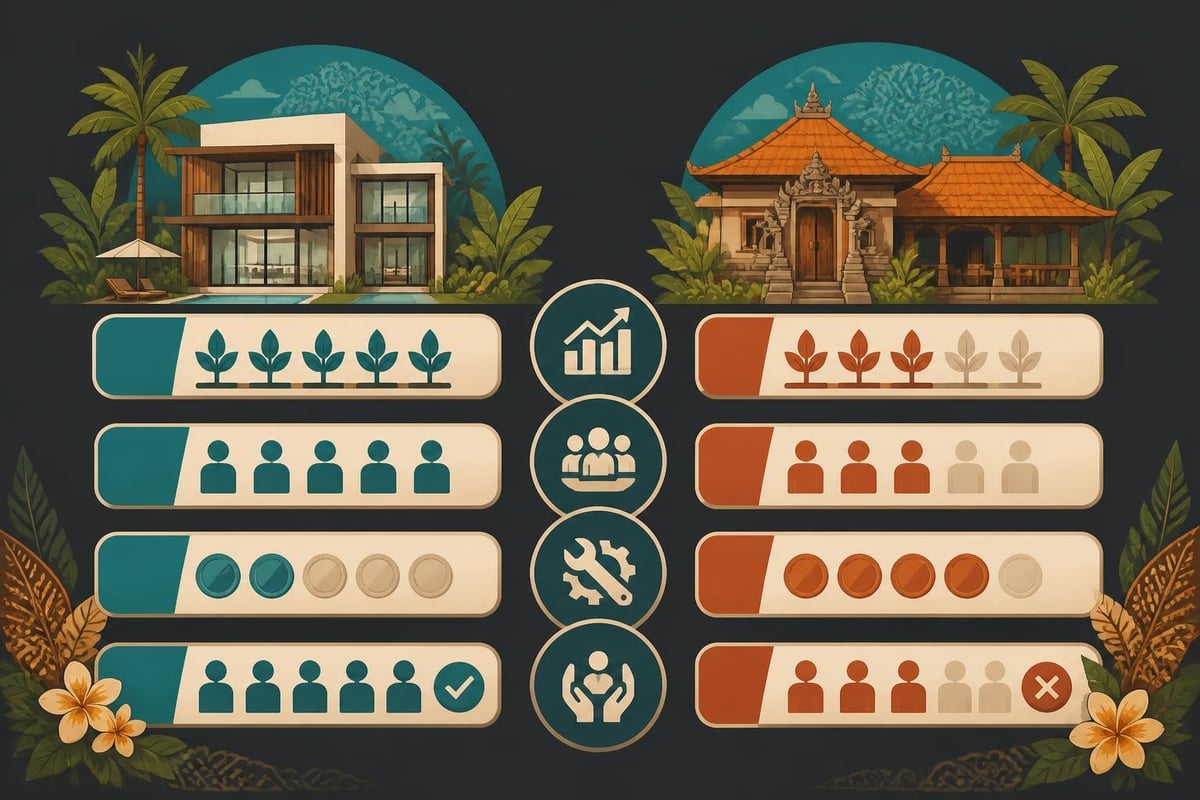
The search process for quality modern homes to rent requires different strategies than traditional property hunting. Digital platforms have transformed how renters discover and evaluate properties, but understanding how to leverage these tools effectively separates successful searches from frustrating ones.
Digital Search Strategies
Specialized platforms focusing on modern properties provide better results than general listing sites. Filters should emphasize construction date, amenities, and technology features rather than just price and location. Properties built or extensively renovated after 2020 typically meet modern standards.
High-quality photography indicates professional property management and owner investment in presentation. Virtual tours have become standard for premium modern homes, allowing remote evaluation before scheduling in-person viewings.
Review detailed property descriptions for specific mentions of smart home features, energy ratings, and appliance quality. Vague descriptions often indicate older properties with superficial updates rather than true modern construction.
Verification and Due Diligence
Request documentation proving energy efficiency claims, particularly in markets where utility costs significantly impact monthly expenses. Energy performance certificates provide objective data about operational costs and environmental impact.
For international renters seeking modern homes to rent in destinations like Bali, platforms with KYC verification and notary-approved contracts provide essential security. Livuma's long-term rental platform offers these protections specifically for Bali properties, ensuring both parties benefit from transparent, legally sound agreements.
Verify internet speeds through independent testing rather than relying solely on landlord claims. For remote workers, connectivity reliability matters as much as headline speeds. Request speed tests from multiple times throughout the day to identify potential congestion issues.
Lease Considerations for Modern Properties
Modern homes to rent often come with lease terms and conditions distinct from traditional rental agreements. Understanding these differences prevents misunderstandings and ensures mutually beneficial landlord-tenant relationships.
Technology and Maintenance Clauses
Lease agreements should clearly define responsibility for smart home system maintenance and repairs. Some landlords provide full technical support, while others expect tenants to handle routine troubleshooting. Understanding these expectations prevents disputes when issues arise.
Technology upgrades during tenancy require explicit agreements about implementation, cost responsibility, and property modification permissions. Written amendments protect both parties when updating systems or adding features.
Standard wear-and-tear definitions may differ for modern materials and finishes. Ultra-modern surfaces sometimes require specific cleaning products or techniques to avoid damage. Lease addendums should specify any special care requirements and clarify damage versus normal aging.
Flexible Terms and Remote Management
Modern rental agreements increasingly accommodate digital signatures, online rent payment, and remote lease execution. These conveniences particularly benefit international renters who cannot easily travel for in-person signings.
- Review all lease documents thoroughly before digital signing
- Verify payment platform security and transaction protection
- Confirm contract legal standing in local jurisdiction
- Establish clear communication channels with property management
- Document property condition through detailed photos and videos
- Understand dispute resolution processes and local tenant rights
Payment security features like escrow services and licensed payment processing protect both parties. Platforms that integrate these protections into rental transactions reduce fraud risk and provide recourse if issues arise.
Sustainability and Modern Rental Living
Environmental consciousness drives many modern home design choices, creating properties that align with renter values while reducing operational costs. This convergence of ethics and economics strengthens the modern rental market's long-term viability.
Energy Efficiency Impact
Solar panel installations on modern homes generate significant electricity cost savings, particularly in sunny climates. Some properties achieve net-zero energy consumption, eliminating electricity bills entirely during certain months. These savings allow renters to justify higher base rents while reducing overall living expenses.
Water conservation systems including low-flow fixtures, greywater recycling, and rainwater harvesting reduce utility costs while supporting environmental goals. In regions with water scarcity or expensive municipal water, these features provide substantial financial benefits.
Passive cooling design reduces air conditioning dependence through strategic building orientation, thermal mass, and natural ventilation. Modern tropical homes particularly benefit from these principles, maintaining comfort while minimizing energy consumption.
Material Selection and Indoor Air Quality
Modern construction emphasizes low-VOC paints, formaldehyde-free materials, and non-toxic finishes that improve indoor air quality. For health-conscious renters, particularly those with allergies or sensitivities, these considerations significantly impact daily wellness.
Natural materials like bamboo, cork, and reclaimed wood provide sustainability credentials while offering superior performance characteristics. These materials regulate humidity naturally, resist mold growth, and create healthier indoor environments than many synthetic alternatives.
The Future of Modern Rental Housing
Emerging trends indicate modern homes to rent will continue evolving to meet changing renter expectations and technological capabilities. Understanding these trajectories helps both renters and investors make informed decisions aligned with future market directions.
Emerging Technology Integration
Artificial intelligence systems will increasingly manage home operations, learning occupant preferences and optimizing energy consumption automatically. These systems will predict maintenance needs before failures occur, reducing disruptions and extending equipment life.
Virtual and augmented reality will transform property search processes, allowing detailed remote exploration of properties worldwide. International renters will confidently commit to modern homes without physical visits, relying on immersive digital representations.
Community integration platforms will connect residents within rental communities, facilitating shared resources, local recommendations, and social connections. Modern rental developments increasingly emphasize community features alongside individual unit amenities.
Regulatory Evolution
Building codes worldwide continue tightening energy efficiency requirements, effectively making modern construction standards mandatory for new development. Properties meeting current voluntary green building standards will satisfy future regulatory minimums, protecting their market position.
Rental market regulations increasingly address technology aspects like data privacy for smart home systems and cybersecurity requirements for connected properties. Modern homes built with these considerations maintain compliance while older properties face expensive retrofitting.
Modern homes to rent offer compelling advantages for today's renters, combining contemporary design, advanced technology, and sustainable features that traditional properties cannot match. Whether you're seeking a long-term residence in Bali's vibrant communities or exploring rental investment opportunities, understanding modern property characteristics ensures informed decisions. Livuma provides a secure platform for discovering verified modern rental homes across Bali, with transparent pricing, legal contracts, and comprehensive property information that simplifies your search for the perfect contemporary residence.